Beyond Rainbow Flags
The Overlooked Realities of LGBTIQ+ Refugees in Service Systems
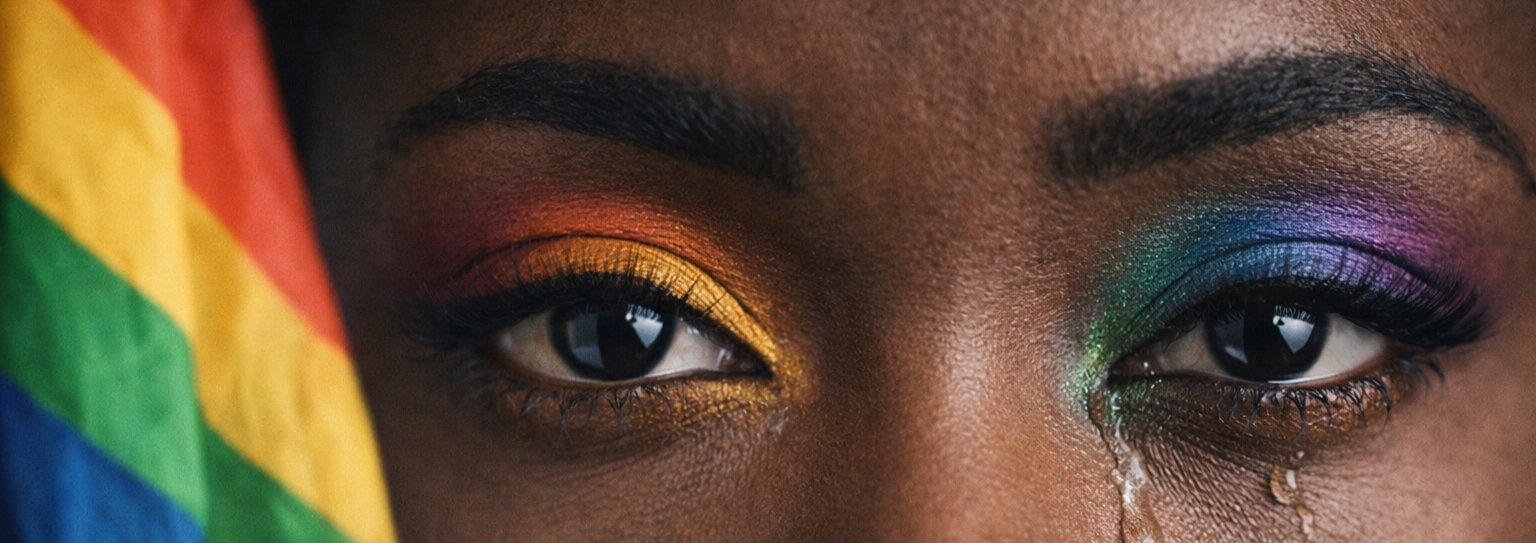
Many organisations working with refugees and LGBTIQ+ communities are committed to inclusive practice. Policies mention diversity. Staff attend inclusion training. Rainbow flags appear in reception areas.
Yet many LGBTIQ+ refugees still leave services feeling unsafe, misunderstood, or unsupported. Research with LGBTIQ+ forcibly displaced people in Australia found that more than half of participants reported experiencing discrimination when accessing services (FDPN, Inhabiting Two Worlds at Once, 2023).
This gap is rarely about lack of commitment. More often, it reflects a mismatch between how services are designed and the complex realities queer refugees bring with them.
For many forcibly displaced LGBTIQ+ people, arriving in a country like Australia comes after years, sometimes decades, of instability, including long periods in transit countries, uncertain visa pathways, and limited access to protection or support. Some fled their home countries because of persecution related to their sexuality or gender identity, including in contexts where LGBTIQ+ identities are criminalised, heavily stigmatised, or met with violence from family or community members. Others were displaced by war or political violence but also carry the risks associated with being queer in their communities.
Despite these different journeys, many share similar experiences: long periods in transit countries with limited rights, such as restricted access to work, healthcare, or secure housing; exposure to discrimination or violence related to sexuality or gender identity; and years navigating asylum and protection systems that often provide little certainty or safety.
By the time they reach safety, many queer refugees carry layers of trauma shaped not only by displacement but also by identity-based persecution and prolonged social isolation. These overlapping experiences reflect the intersectional realities many LGBTIQ+ refugees navigate.
Through years of community work and professional practice with LGBTIQ+ people from refugee backgrounds, these patterns appear repeatedly across different services and support systems.
When Service Systems Meet Complex Realities
Many service systems are designed to respond to broad community needs. Programs are structured to support large and diverse populations, with standard pathways for housing, health care, case management, and community connection.
For many people, these systems provide essential support in rebuilding their lives.
For queer refugees, however, these standard approaches can sometimes overlook specific safety concerns and social dynamics linked to sexuality, gender identity, culture, and displacement.
For example, housing placements may situate individuals in shared accommodation or communities where stigma around sexuality or gender identity remains strong, increasing the risk of harassment or exclusion. Interpreters or bicultural workers may also come from the same cultural or community networks that some LGBTIQ+ refugees have experienced as unsafe. For individuals who remain cautious about disclosing their identity, this can raise concerns about confidentiality or fear that personal information could circulate within their community. Service providers may be deeply committed to supporting clients but have limited guidance on how these dynamics can affect safety, trust, and engagement.
These challenges are rarely intentional. They emerge from systems designed to respond to refugee settlement broadly or to LGBTIQ+ inclusion in general, without fully addressing the intersection between these experiences.
When Different Service Systems Only See Part of the Picture
Queer refugees often navigate multiple service environments at the same time.
Some organisations may understand refugee displacement well but have limited experience working with sexuality and gender identity related persecution. Others may provide strong LGBTIQ+ support but have less familiarity with migration pathways, refugee trauma, or the cultural contexts many displaced people navigate.
In practice, this can mean someone being placed in housing environments where they feel unsafe within their own cultural community, while also struggling to access LGBTIQ+ services that understand refugee experiences.
As a result, individuals may move between services that each recognise part of their experience, but rarely the whole picture.
For people living at the intersection of displacement, identity, culture, and trauma, support can become fragmented.
The Consequences of Fragmented Support
When service systems fail to recognise these intersections, the impact can be significant.
Some individuals disengage from services early because they do not feel safe or understood. Others continue accessing support but find that important aspects of their experiences remain unrecognised.
For newly arrived refugees in particular, navigating complex service systems can be overwhelming. Many may not know where else to seek support or how to raise concerns when services do not meet their needs.
Over time, these gaps can deepen isolation, prolong unresolved trauma, and reduce trust in services that were intended to provide safety and support. They can also limit the ability of organisations to reach and effectively support some of the people who may need their services the most.
Moving from Symbolic Inclusion to Practical Understanding
This is where many organisations are actively seeking better guidance.
Improving support for queer refugees requires recognising the intersection of displacement, identity, culture, and trauma more clearly within service systems.
Inclusive policies and visible commitments to diversity are important, but they are not always enough. Organisations also need practical frameworks that help staff understand how these layered experiences shape the needs of queer refugees from diverse cultural backgrounds.
This includes strengthening workforce capability, recognising institutional blind spots, and integrating lived experience knowledge into service design and practice.
Queer refugees demonstrate extraordinary resilience in rebuilding their lives after displacement and persecution. But resilience should not be mistaken for systems that work well.
When organisations recognise the complexity of queer refugee experiences, they are better positioned to provide support that is not only inclusive in principle but meaningful in practice.
Recognising these complexities is not only about improving inclusion. It is about ensuring that systems designed to support people after displacement are capable of responding to the full realities of their lives.
Written by Saina Avesta
17 March 2026
About the Author
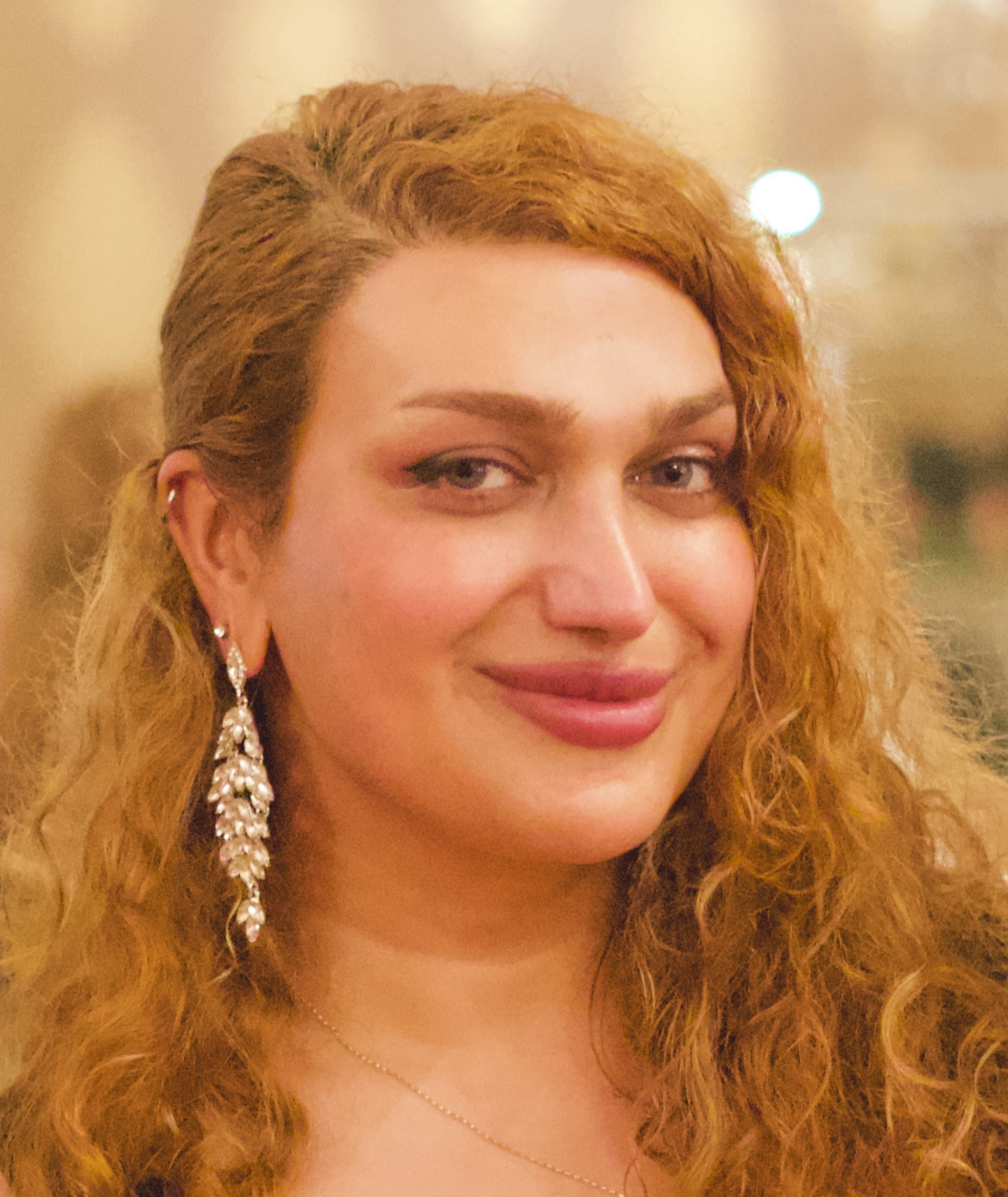
Saina Avesta is the Founder and Principal Consultant at Avesta Advisory, supporting organisations to strengthen trauma-informed and intersectional practice when working with LGBTIQA+ people from refugee and multicultural backgrounds.
Drawing on her lived experience as a trans woman from Iran, including years spent in Turkey navigating displacement and resettlement, Saina brings deep insight into the realities faced by LGBTIQ+ forcibly displaced people. She has worked extensively as a peer leader and community practitioner, building trust within LGBTIQ+ refugee communities.
Through Avesta Advisory, she translates community knowledge and lived experience into practical system-level insight for organisations across settlement, health, community and policy sectors.
Acknowledgement
The author would like to thank Thomas Dutton for his editorial feedback and review support.